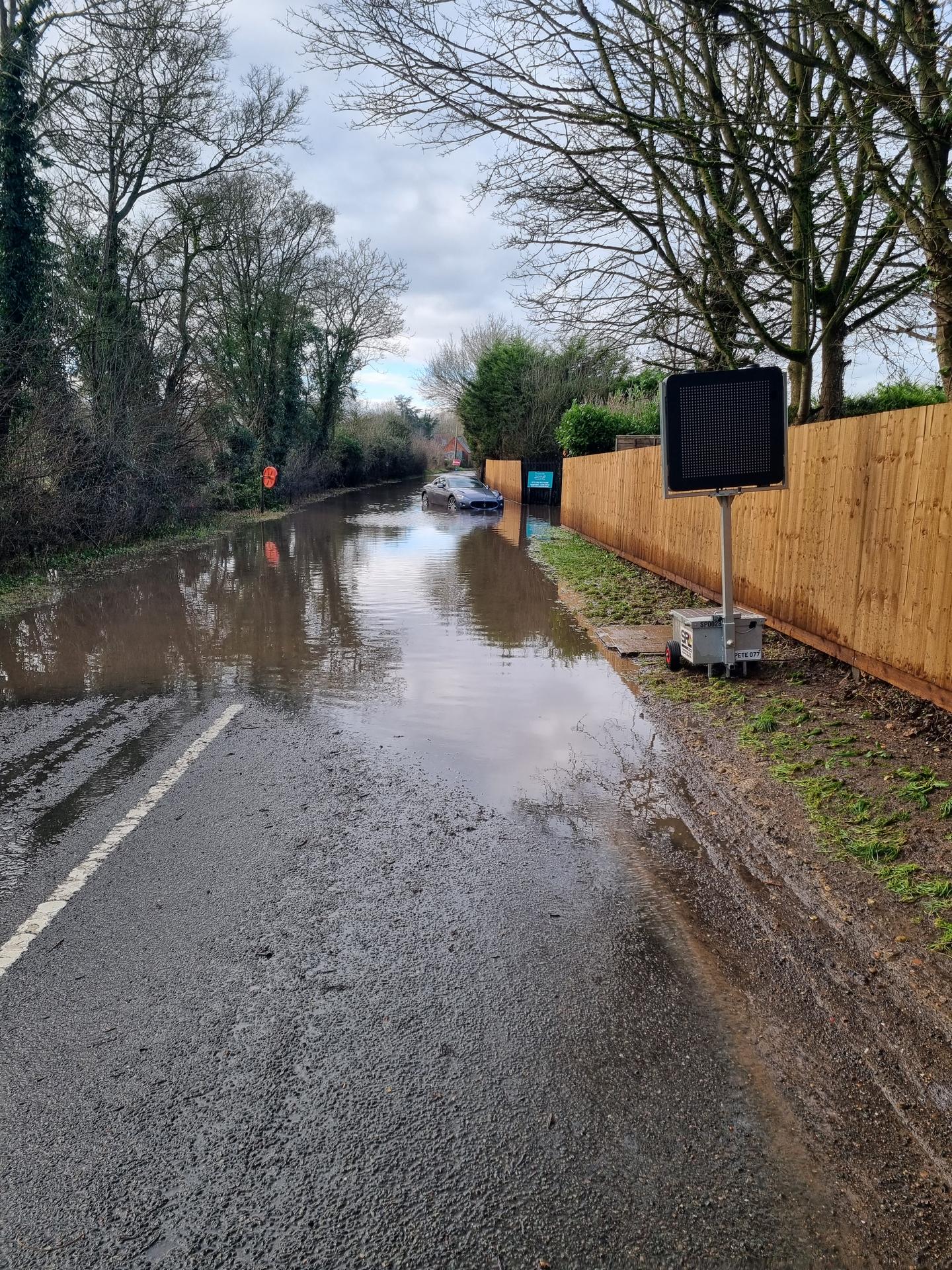
The driver of this Maserati Gran Tourismo was limited with routes to attend a necessary appointment, as the road showed as being mistakingly passable. Let this be a reminder, you never know what is under the water - DO NOT enter.
The driver of this Maserati Gran Tourismo was limited with routes to attend a necessary appointment, as the road showed as being mistakingly passable. The Maserati Gran Tourismo air intakes are very low in the bumper, so the car soon drew up water and cut out.
Water ingress then caused the electric handbrake to stick on and therefore recovery proved challenging, manually releasing the handbrake and physically pushing the car out of the water, before winching into the trailer by attaching to the lower swing arms.
Let this be a reminder, you never know what is under the water - DO NOT enter.
It cost me a pair of shoes and cold legs, but more importantly - it has cost the driver an insurance claim.
Flooded Roads: Cross or Bypass? A Guide to Safe Driving
Heavy rains and rising water levels can turn familiar roads into treacherous waterways. Encountering a flooded road can be a nerve-wracking experience, but knowing what to do can make all the difference. Here's a guide to help you navigate flooded roads safely:
Before You Drive:
Check flood alerts and road closures: Local authorities often issue real-time updates on flooded areas and impassable roads. Heed their warnings and seek alternate routes.
Assess the situation: If you encounter a flooded road, don't blindly proceed. Stop at a safe distance and evaluate the situation. Consider the depth and flow of the water, the visibility, and any debris present.
Turn Back if Uncertain:
When in doubt, don't risk it. If the water is deep, fast-moving, or you're unsure of the road conditions, turn back and find another route. It's always better to be safe than sorry.
Crossing Safely (Only if absolutely necessary):
Use your best judgment: If you must cross a flooded road, proceed with extreme caution and only if the water is shallow (below the bottom of your car's hubcaps) and slow-moving.
Check your cars wading depth: This is the most reliable source for your specific car's wading depth. It will usually be listed in the specifications section.
Drive slowly in first gear: Maintain a steady, low speed (around 3-5 mph) to avoid creating a bow wave that can push water into your engine.
Keep the engine revs high: This helps prevent water from entering the exhaust system and stalling the engine.
Avoid sudden stops and starts: These can cause you to lose traction and get stuck.
Use the center of the road: Roads are usually higher in the middle, offering shallower water depths.
Be aware of your surroundings: Watch out for submerged obstacles, dips, and strong currents that can pull your car off course.
Test your brakes after crossing: Water can compromise your brakes' effectiveness. Lightly apply the brakes while driving slowly to dry them out.
The AutoGuardian Covered Car Transport Service was a must for this Brand new Porsche GT3 RS. We securely moved this beautiful Porsche to Stratford upon Avon to have the corner weights and tracking professionally set up!
This is a Lamborghini Aventador which looks like it uses its 4wd system not just for road holding!
It is unsual to see an Aventador not polished to the extreme.
These cars don't seem to have a large battery, but it appears they have a super capacitor to take the strain. This was a delivery to a main dealer to wait while they changed the super capacitor.